 Bromley Electrical Services
Guide
What is an EICR?
An EICR is an Electrical Installation Condition Report: a formal inspection of your fixed wiring that shows whether it is safe to keep using.
- Send a short enquiry
- Covering Greater London
- EICR and related services
An EICR is an Electrical Installation Condition Report. It is a formal inspection and test of the fixed electrical installation in a property, carried out by a qualified electrician, to show whether it is safe to keep using and where it falls short of current standards. You may also hear it called an EICR certificate, an EICR check or an installation condition report. They all mean the same thing.
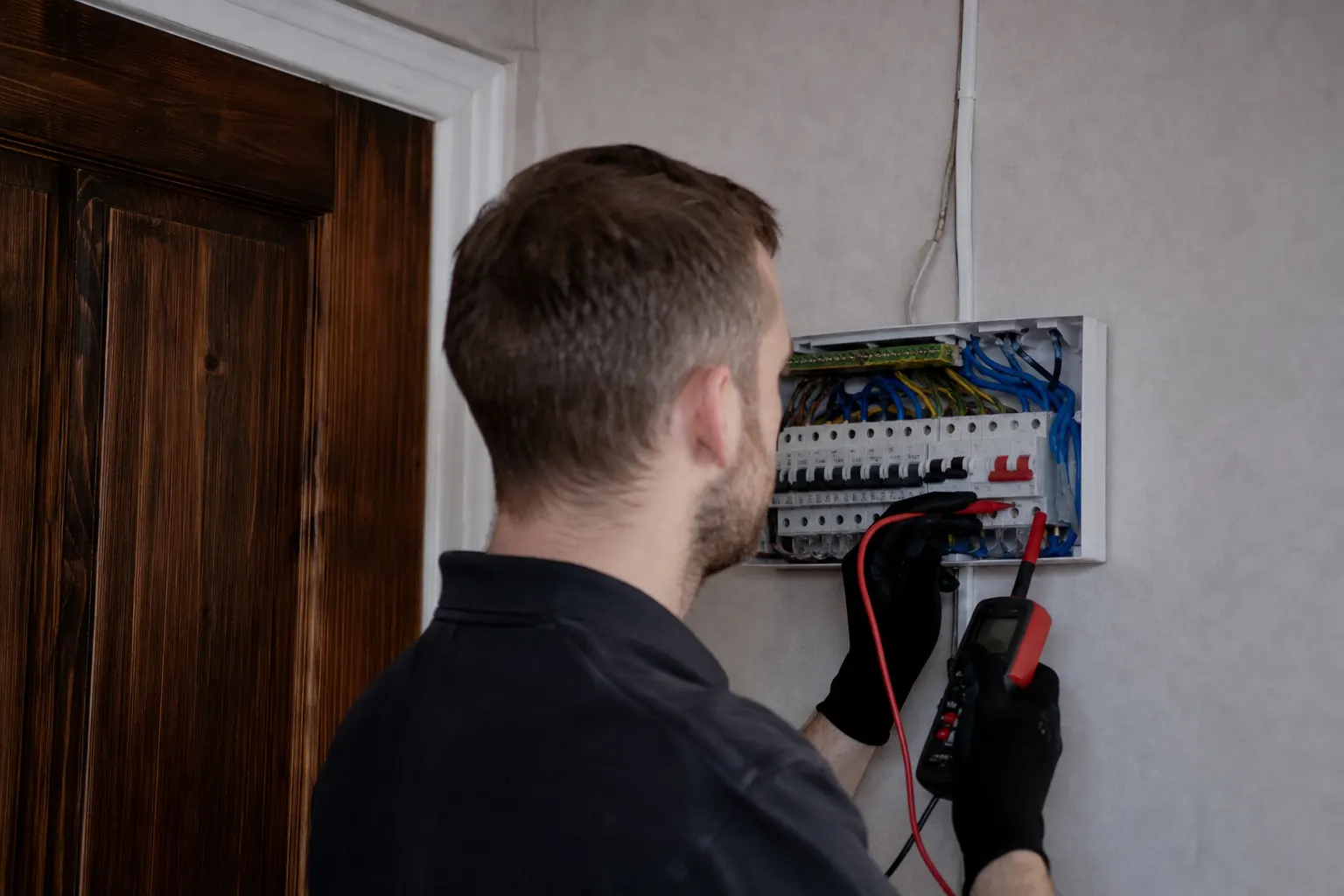
What an EICR actually involves
The inspection looks at the permanent parts of your electrical systems: the consumer unit (fuse box), circuits, sockets, light fittings, switches, earthing and bonding. The electrician examines these visually, then carries out tests to measure things like earth connections, insulation condition and how quickly protective devices respond to a fault.
The purpose is to find damage, deterioration, overloaded circuits and defective or dangerous work. It is not a repair job. The electrician records what they find and does not normally fix problems as part of the inspection itself.
Portable items such as kettles and lamps are not part of an EICR. Those are covered by separate portable appliance testing, which is a different check.
Reading the report and its codes
The finished report gives an overall result of satisfactory or unsatisfactory. Any issues are listed with observation codes:
C1 means danger is present and immediate action is needed. C2 means potentially dangerous and urgent attention is required. C3 means improvement is recommended. FI means further investigation is needed without delay.
A report with any C1, C2 or FI entries is normally unsatisfactory. C3 items alone do not usually cause a fail, but they are worth reading, because they point to older wiring or features that no longer match today's standards.
The report also records what was and was not inspected, and gives a recommended date for the next inspection. Keep it safe, because lenders, insurers, tenants and future electricians may ask to see it.
Who needs an EICR
Landlords are the group most often asked for one. Rules for rented homes require the electrical installation to be inspected and tested by a qualified person at regular intervals, and the report must be given to tenants and, if asked, to the local authority. The usual maximum gap is often described as five years, or sooner if the previous report says so. Because rules can change and differ between types of tenancy, check GOV.UK for the current position before relying on this.
Homeowners are not generally forced to have one, but it is sensible if you have just bought an older property, have not seen any electrical paperwork, notice warm sockets, flickering lights or tripping circuits, or are planning building work. Business premises and shared buildings often have their own inspection expectations too.
How long it takes and how to prepare
The time depends mainly on the size of the property and the number of circuits. A small flat is usually quicker than a large house with extensions, outbuildings or several consumer units. Many inspections take a few hours, and bigger or more complicated installations can take longer.
The power will need to be switched off in sections during testing, so plan around that. Move furniture away from sockets and the consumer unit, make sure the electrician can reach lofts, garages and cupboards, and tell them about any known faults or past alterations. If you rent the property out, arrange access with your tenants in good time.
Poor access is one of the most common reasons an inspection overruns or has to be limited, so a little preparation helps.
What affects the cost
Prices vary between electricians, so it is better to understand how a quote is built than to rely on a general figure. Some firms charge a fixed price for the inspection, others work from an hourly rate, and some add a callout fee. Ask which applies.
The main factors are the size of the property, the number of circuits and consumer units, how easy everything is to reach, the age and condition of the wiring, and whether the electrician has to return to complete the work. Evening or weekend appointments may be priced differently from weekday ones.
Remedial work is normally separate. If the report finds faults, repairs, parts and any retest are usually quoted on top. Ask for a written quote that states clearly what is included and what is not.
Choosing someone to carry it out
An EICR is only as reliable as the person signing it. Choose a suitably qualified electrician, ask what qualifications and scheme membership they hold, and ask to see proof. Make sure the report will name the circuits tested and any limitations. Bromley Electrical Services covers Bromley and the wider Greater London area for electrical work including EICR inspections, so you can use the enquiry form to describe your property and what you need.
Common questions
What is an EICR certificate?
People often say certificate, but the document is a report. It records the condition of the fixed wiring, lists any defects with codes, and gives an overall satisfactory or unsatisfactory result.
Can I sell my house without an EICR?
Sellers are not generally required to hold one, but a buyer, surveyor or lender may ask for one, especially with older wiring. Rules can change, so check GOV.UK for the current position.
What happens if my EICR is unsatisfactory?
The report will list what needs attention. Urgent items should be put right promptly by a qualified electrician, and the installation is then usually retested or confirmed as corrected. Landlords have duties to act on the findings, so check GOV.UK for the current requirements.
How much does an EICR cost?
It depends on the size of the property, the number of circuits, access and the electrician's pricing method, such as a fixed price, hourly rate or callout fee. Ask for a written quote that sets out what is included.
Useful sources
- NICEIC: The electrical contracting body, with a register to check an electrician.
- GOV.UK: electrical safety standards in the private rented sector: The official guidance for landlords, tenants and councils on electrical safety checks.