 Bromley Electrical Services
Guide
How to choose a company for an EICR
Choose an EICR company by checking the inspector's competence, the scope of the inspection, how the report is coded and how remedial works are handled.
- Send a short enquiry
- Covering Greater London
- EICR and related services
Choose a company whose inspectors are qualified and registered for periodic inspection, who will explain exactly what they will test, and who give you a clear written quote and a properly coded report. Do not choose on the lowest price alone, because an EICR is only worth having if the inspection behind it was thorough and honest.
Start with competence, not price
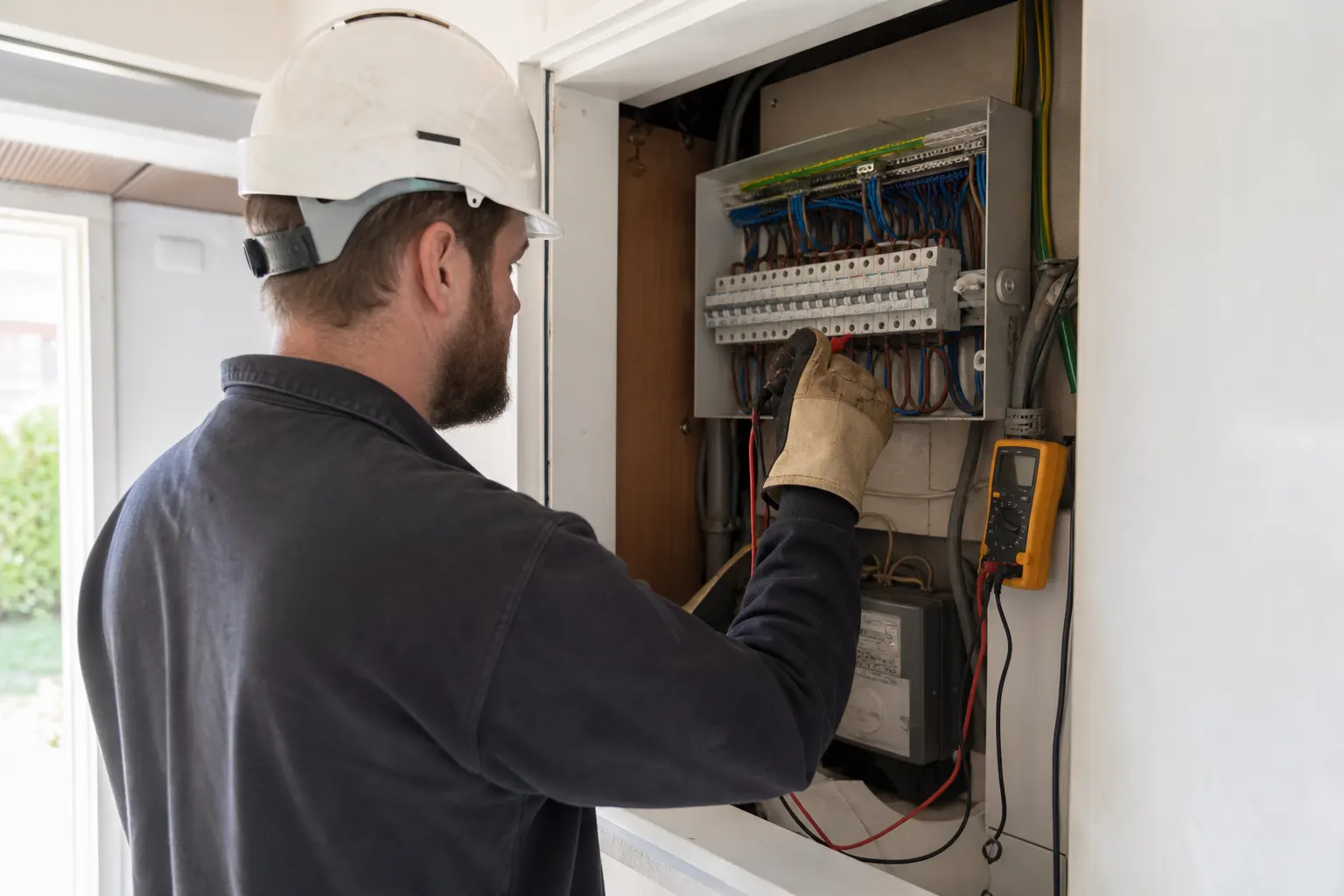
An EICR (electrical installation condition report) is a judgement about the condition of your electrical installation, so the person signing it matters. Ask who will carry out the inspection and testing, what qualifications they hold for periodic inspection, and whether they are registered with a recognised competent person scheme. Ask to see proof and check it with the scheme if you want to be sure.
An electrician can be perfectly good at installing sockets and lighting and still not do this kind of inspection regularly. Ask how often they carry out condition reports and whether they work on properties like yours, such as a rented flat, a family home or a small commercial unit.
Questions to ask before you book
A good company will answer these plainly:
What will be inspected? A proper EICR covers the consumer unit, earthing and bonding, and the fixed wiring and circuits, with tests carried out on the electrical system. It is not just a visual look around.
Will every circuit be tested? Some inspections are limited by agreement, for example when parts of the property cannot be reached. The report should say clearly what was and was not covered.
Will the power need to be off, and for how long? Ask what to expect so you can plan, especially if you have tenants, work equipment or medical devices.
What happens if faults are found? Ask whether the company can quote for remedial works afterwards, and whether you are free to get another electrician to do them. You should never feel tied in.
How EICR pricing works
There is no single going rate, and anyone quoting one without asking about your property is guessing. Companies price in different ways: a fixed price for the inspection, an hourly rate, or a callout fee plus time. Ask which applies and what is included.
The main things that move the cost are the size of the property, the number of circuits and consumer units, how easy it is to get access to wiring and fittings, and how long the inspection will take. Older or altered installations can take longer to trace and test. Evening or weekend visits may be priced differently from weekday ones. Parts or repairs are separate from the inspection unless the quote says otherwise.
Ask for a written quote that states what is covered, whether the report is included, and how any extra work will be priced. Compare like with like before deciding.
Warning signs to watch for
Be cautious if a company will quote a firm figure without knowing anything about the property, or if they cannot say who will do the inspection. Be wary of anyone who says an EICR will always pass, or who seems keen to find lots of faults before they have finished testing.
The report itself tells you a lot. It should list observations with clear classification codes, record test results, state the overall condition as satisfactory or unsatisfactory, and recommend a date for the next inspection. A vague one page certificate is a bad sign.
EICR, EIC and who is responsible
An EIC (electrical installation certificate) is issued when new work is installed or a circuit is altered. An EICR is a periodic check on an existing installation. They are not the same, and an EIC does not replace the need for an EICR later, although it is useful evidence of what was installed and when.
For rented homes, the landlord is normally responsible for arranging the inspection and any remedial works, and for giving tenants a copy of the report. Rules for landlords and the usual gap between inspections, often up to five years, depend on the type of property and can change, so check GOV.UK for the current position. In workplaces, duties under the Electricity at Work Regulations also apply.
Bromley Electrical Services covers Bromley and the wider Greater London area for EICR work, and the same questions above are worth asking of any company you are comparing.
Common questions
Can any qualified electrician do an EICR?
Not necessarily. Inspection and testing is a specific skill, separate from installing. Ask about their qualifications for periodic inspection, whether they are registered with a competent person scheme, and ask to see proof.
Can you do your own EICR?
No. A condition report needs someone competent with the right test equipment and training. A homeowner or landlord cannot sensibly inspect and sign off their own installation, and a report from an unqualified person is unlikely to be accepted.
Do I need an EICR if I have an EIC?
Usually yes, eventually. An EIC covers new work or alterations at the time they were done. An EICR checks the condition of the whole installation later on, as it ages and is used.
Who is responsible for the EICR, landlord or tenant?
Generally the landlord arranges it and pays for it, and any required remedial works. Tenants should be given a copy. Rules vary and can change, so check GOV.UK for the current position.
Useful sources
- NICEIC: The electrical contracting body, with a register to check an electrician.
- Citizens Advice: Free, independent advice on your rights when paying for work.