 Bromley Electrical Services
Guide
Common mistakes with EICRs and how to avoid them
The most common EICR mistakes: hiring the wrong person, poor access, misreading codes, and ignoring the report. Here is how to avoid each one.
- Send a short enquiry
- Covering Greater London
- EICR and related services
The most common EICR mistakes are hiring someone who is not properly qualified, not preparing access, misreading the result, and filing the report without acting on it. Avoiding them means choosing a qualified electrician, getting the electrical installation ready for inspection, and learning what the observation codes mean before you decide what to fix.
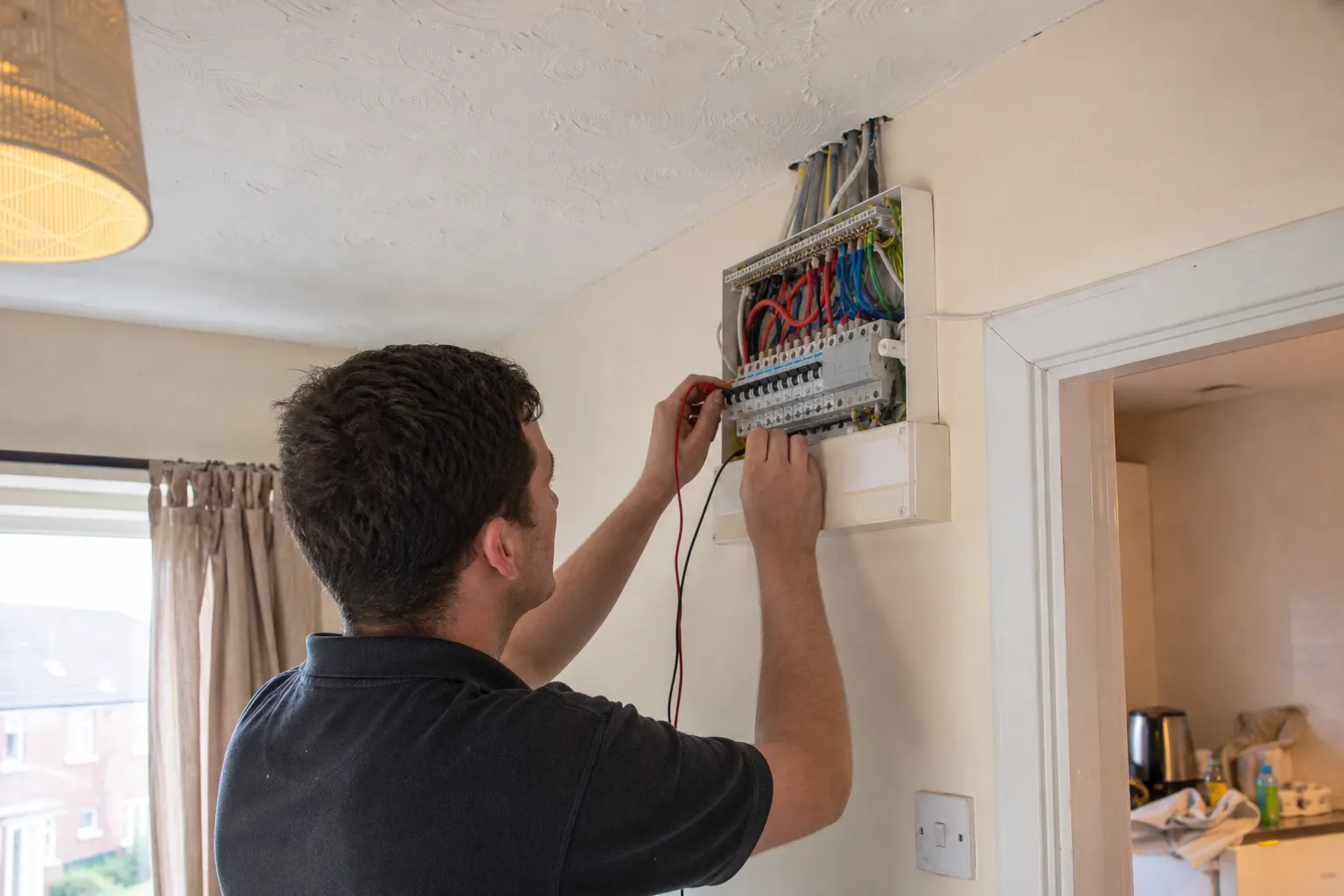
Choosing the wrong person to do the inspection
An electrical installation condition report is only as reliable as the person who signs it. Inspection and testing needs a qualified electrician with specific experience of periodic inspection, not just general installation work. Ask what qualifications they hold, which scheme they belong to if any, and whether they will explain their findings in plain English.
Be wary of anyone who offers a report without testing the circuits, or who cannot say how much of the installation they will cover. A proper condition report eicr involves visual inspection and live and dead testing of the wiring, sockets, lighting circuits and the consumer unit.
Not preparing for the inspection
Poor access is a frequent reason for delays and incomplete reports. Make sure the electrician can reach the consumer unit, any sub-boards, garages, sheds with a power supply, and every room. Move furniture away from sockets that are hard to reach, and let tenants or occupants know in advance.
Expect the power to be switched off for parts of the visit, so plan around computers, freezers, medical equipment and alarms. If you know where previous electrical work was done, or have old certificates, have them ready. If areas cannot be inspected, the report should say so, and that limits how much it tells you.
Misreading the result
Many people see the word unsatisfactory and assume the whole electrical system is failing. Often it means one or more observations need attention. The codes matter:
C1 means danger is present and immediate action is needed. C2 means potentially dangerous. C3 means improvement is recommended. FI means further investigation is required without delay.
A report with a C1, C2 or FI is normally recorded as unsatisfactory. A C3 on its own does not usually make it so, but it is still worth reading. Ask the electrician to talk you through each code and which items relate to genuine risk of electric shocks or fire, and which are simply wear and tear or older practice that is no longer current.
Landlords leaving it late or skipping the follow-up
Landlords have legal obligations around the electrical safety of rented properties, including having the installation inspected and tested at set intervals by a qualified person and giving tenants a copy of the report. The rules can change, so check GOV.UK for the current position rather than relying on an old article or a friend's advice.
Two mistakes come up repeatedly. The first is booking the inspection only when a tenancy is about to start or a deadline has passed, which leaves no time for repairs. The second is receiving a report with remedial work listed and then not completing it. Keep the report, keep evidence that the work was done, and diarise the next inspection date shown on the report.
Choosing on price alone
The cheapest quote is not always the same job as the others. Pricing for an EICR usually depends on the size of the property, the number of circuits and consumer units, how easy everything is to reach, and how long the testing takes. Some electricians quote a fixed price for a standard property, others charge by time, and callout fees or out-of-hours work can change the total.
Remedial work is normally separate from the inspection. Parts, extra visits and any repairs to the wiring or consumer unit will affect what you finally pay. Ask for a written quote that says what is included, what is not, and how any extra work would be agreed first.
Filing the report and forgetting it
An EICR is a snapshot of the installation on the day it was tested. It does not mean everything is guaranteed for years afterwards. If you add circuits, change the consumer unit or notice warning signs such as tripping, warm sockets or flickering lights, do not wait for the next scheduled inspection.
Also, a recent upgrade does not remove the need for periodic checks. New work should come with its own paperwork, but the rest of the wiring still ages. Keep all certificates and reports together so the next electrician can see the history.
Common questions
Does an unsatisfactory EICR mean my wiring is unsafe?
Not necessarily everything, but it means at least one item needs action. Codes C1, C2 or FI point to danger or possible danger, so they should be dealt with promptly. Ask your electrician to explain each observation.
Can I do the remedial work myself after an EICR?
Some minor tasks may be within reach for a competent person, but most remedial work, especially at the consumer unit, should be done by a qualified electrician who can test and document it. Check the current rules on GOV.UK.
How do I know how much an EICR will cost?
Cost depends on property size, number of circuits, access and how long testing takes. Ask for a written quote that explains what is included and how any remedial work would be priced.
Who needs to keep the EICR?
Whoever is responsible for the property should keep it, and landlords usually need to provide copies to tenants. Keep it with any other electrical certificates for future reference.
Useful sources
- NICEIC: The electrical contracting body, with a register to check an electrician.
- GOV.UK: electrical safety standards in the private rented sector: The official guidance for landlords, tenants and councils on electrical safety checks.